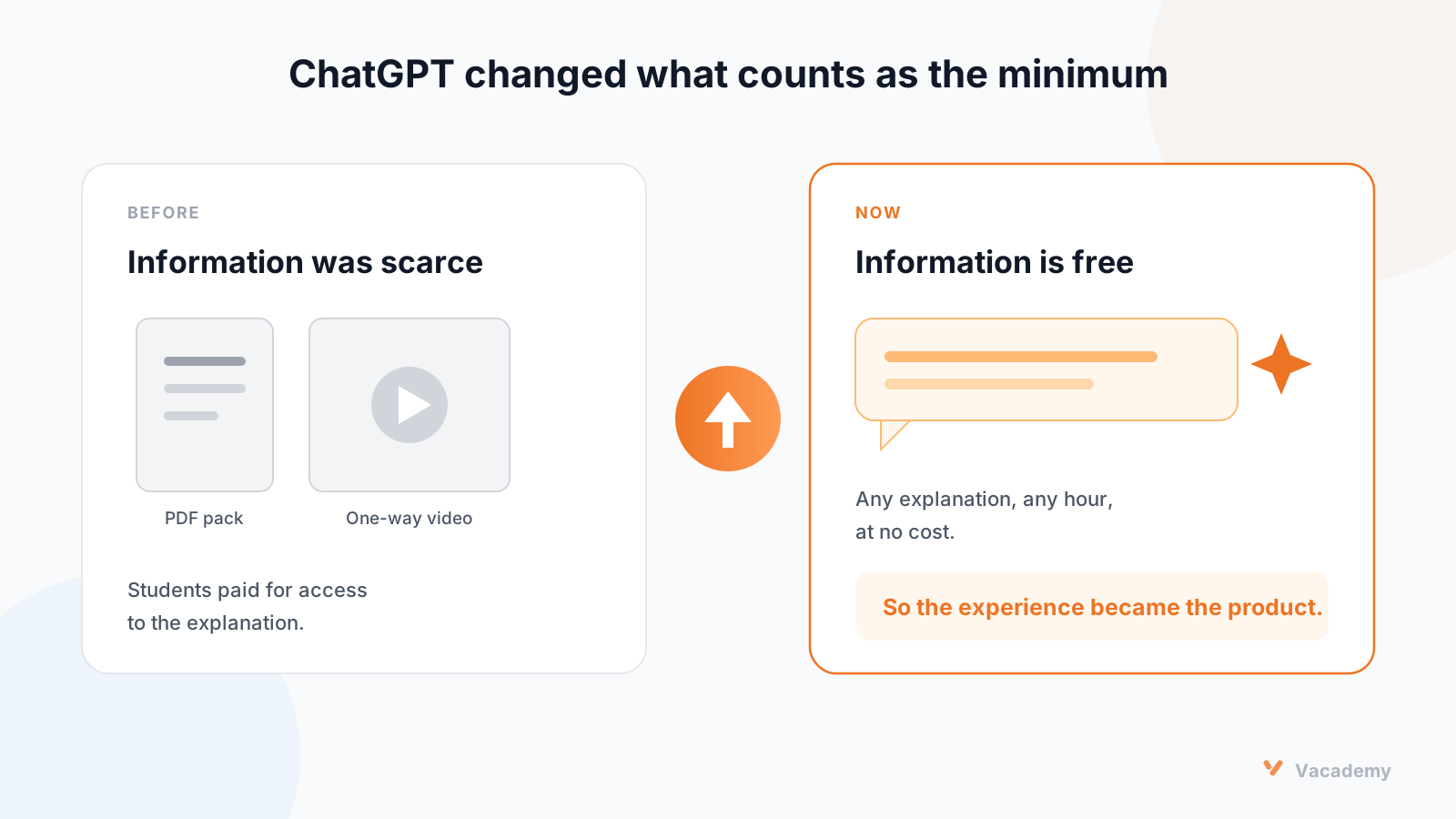
When ChatGPT arrived, a lot of people said the same thing: if a chatbot can explain anything, at any time, for free, why would anyone pay for an online course? Course creators got worried. Institutes wondered what it would do to their fees. Many people decided online education was finished.
It was not. Students kept joining structured programs. They kept paying for mentorship. They kept showing up for live classes. What changed was not their interest in learning. What changed was how much they were willing to put up with. Students became much more picky, and what they became picky about was the experience — not the information.
That is the real story of AI's impact on the future of online learning. ChatGPT did not take the students away. It raised the minimum standard that any platform has to meet before a student takes it seriously.
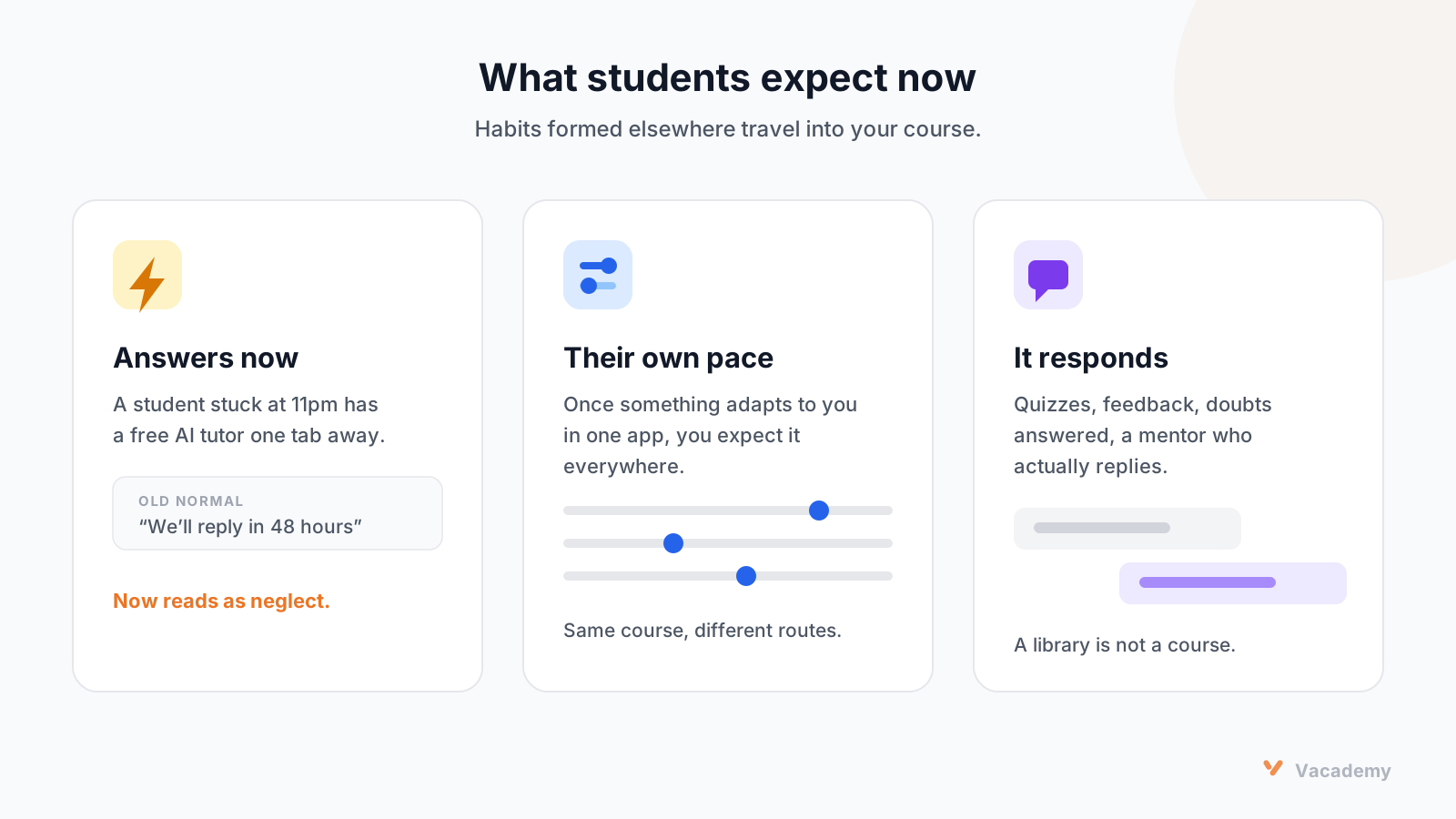
What Students Expect Now, Because of AI
Expectations do not stay in one app. They travel. A student who has spent six months getting instant, personal answers brings that habit to the next course they open. Nobody complains about it out loud. They just quietly stop finishing things that feel slower than what they already have.
Answers now, not next week
A student stuck at 11pm has a free AI tutor one tab away. If your doubt takes two days to get answered, that feels slow.
Their own pace
Once something adapts to you in one app, sitting through a lesson made for the middle of the class feels like a step backwards.
Something that responds
Quizzes, feedback, doubt-solving, a mentor who replies. One-way videos and a PDF pack are a library, not a course.
Put those three together and the picture is simple. Personalized learning technology used to be a bonus. Now it is the basic requirement. The old static course — recorded once, made for an average student who does not exist, with no way to reply — is the one thing AI really did kill. And that is worth saying plainly: if a course only explained things, it is now worth very little, because explaining things is free.
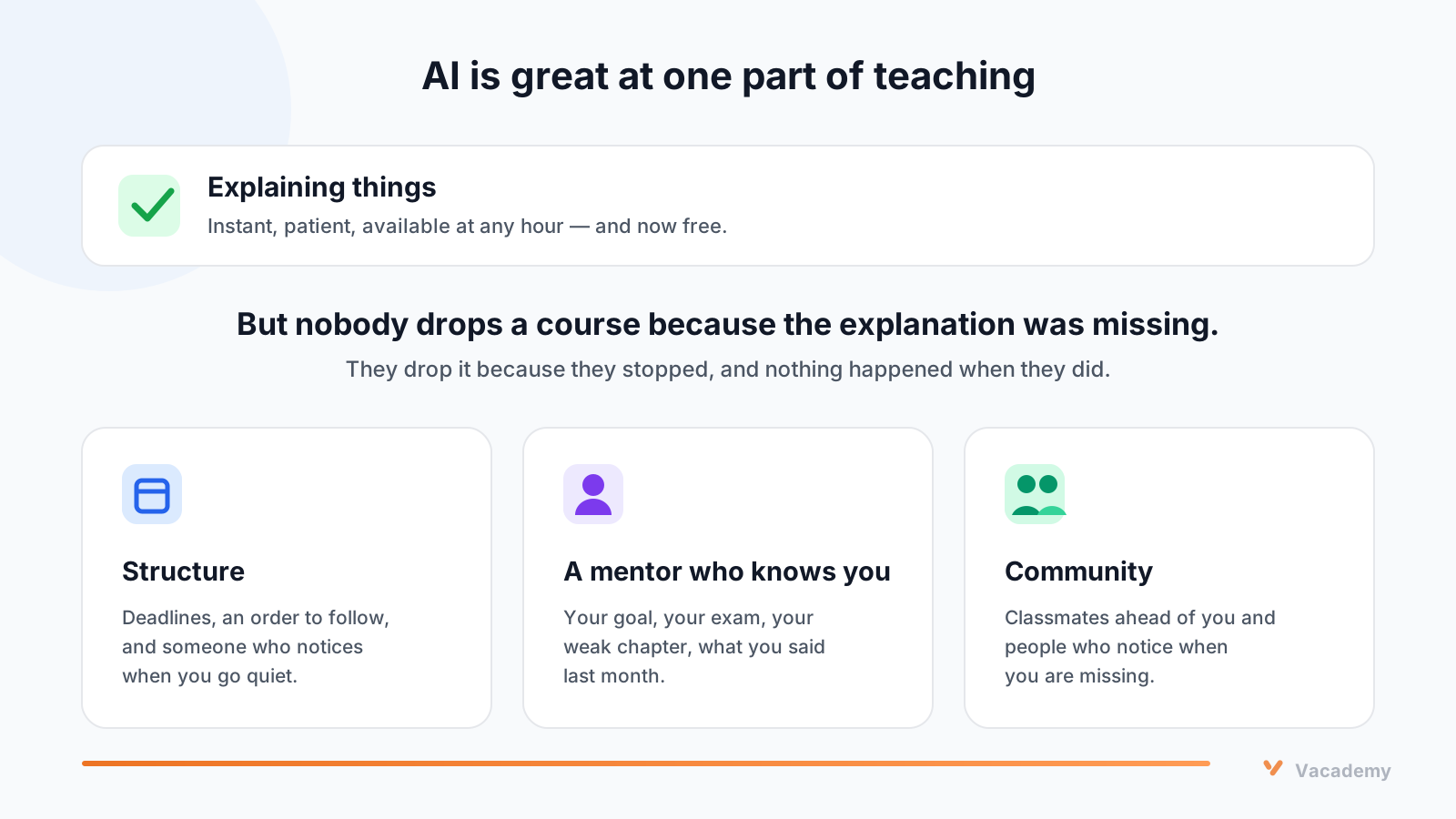
What AI Still Cannot Do
Here is what the early panic missed. Almost nobody drops a course because they could not find an explanation. They drop it because they stopped. Motivation ran out in week three, nobody noticed, and nothing happened when they disappeared. AI is very good at explaining. It cannot do the rest.
Structure and accountability
A proper order of topics, deadlines, and somebody who notices when you stop. AI will answer any question you ask. It will never ask why you went quiet for three weeks.
A mentor who knows you
Someone who knows your goal, your exam, your weak chapter, and what you said last month. That kind of memory lives in a relationship, not in a chat box.
Community
Classmates a week ahead of you, a doubt someone else already asked, a little healthy competition. Students stay consistent because of people, not content.
None of these are content problems. They are all about staying committed. And that is exactly what a student is paying for when they choose a real program over a free chat window. It is also why engagement drops after week three in courses that are really just a folder of videos.
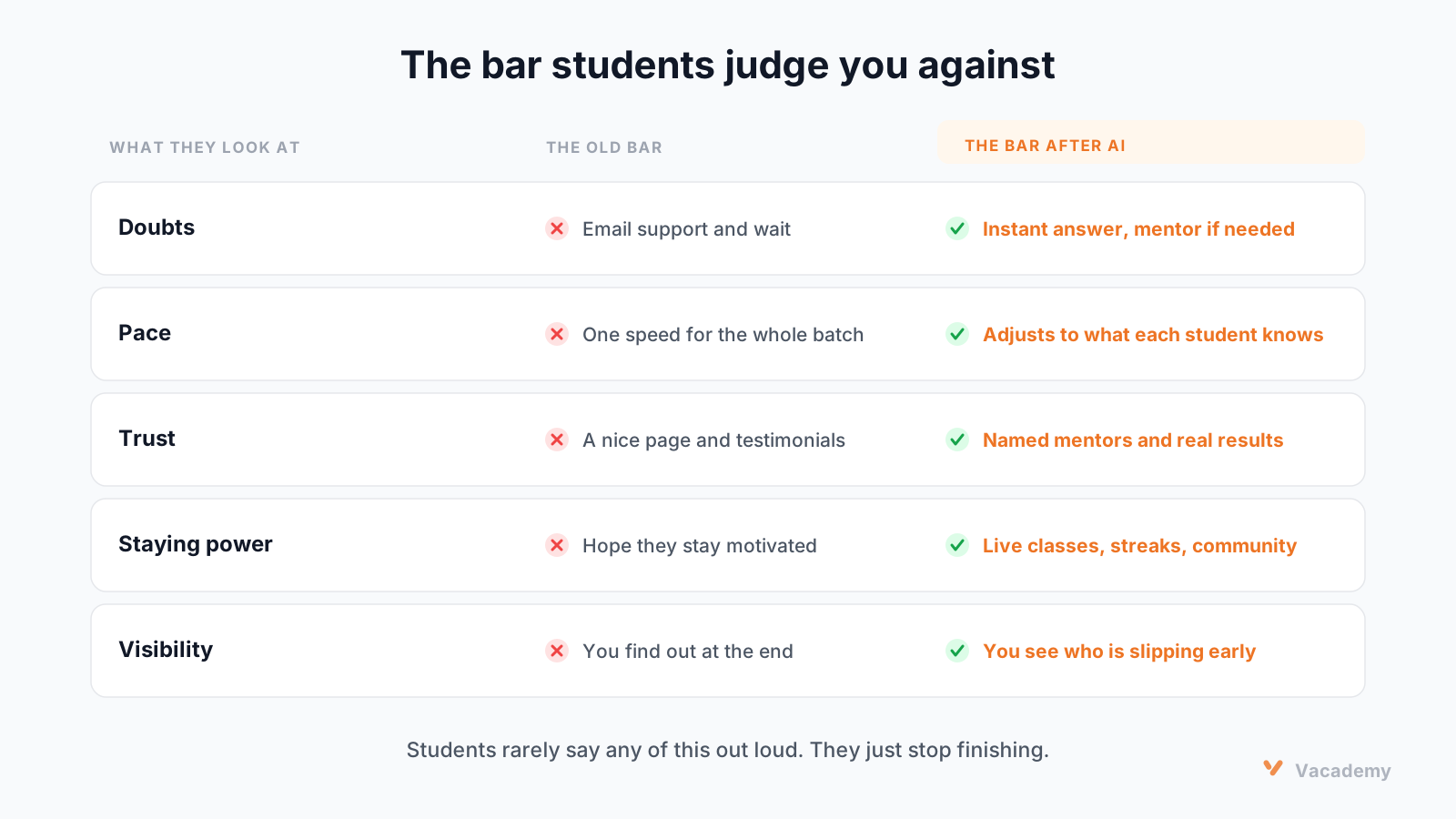
The New Bar for Online Learning Platforms
Take AI-level speed, add the things AI cannot do, and you get the list students now judge every platform against — even if they never say it out loud.
| What students look at | The old bar | The bar after AI |
|---|---|---|
| Content | Recorded lectures and a PDF pack | Clear learning paths, updated as the subject changes |
| Doubts | Email support and wait | Instant AI answer first, mentor for the hard ones |
| Pace | One speed for the whole batch | Adjusts to what each student has actually learnt |
| Trust | A nice landing page and testimonials | Named mentors, real results, records you can check |
| Staying power | Hope the student stays motivated | Live classes, streaks and community that pull them back |
| Visibility | You find out at the end | You see who is slipping while you can still help |
Three ideas run through that right-hand column. Speed with direction — fast like a chatbot, but pointed at a goal instead of wandering. Trust — anyone can generate content in seconds now, so what stands out is a real mentor and a real result. That is why the trust problem in education hit content-only businesses the hardest. And keeping students — habits, live classes, streaks, and a group that notices when someone is missing.
How Vacademy Is Built for This Shift
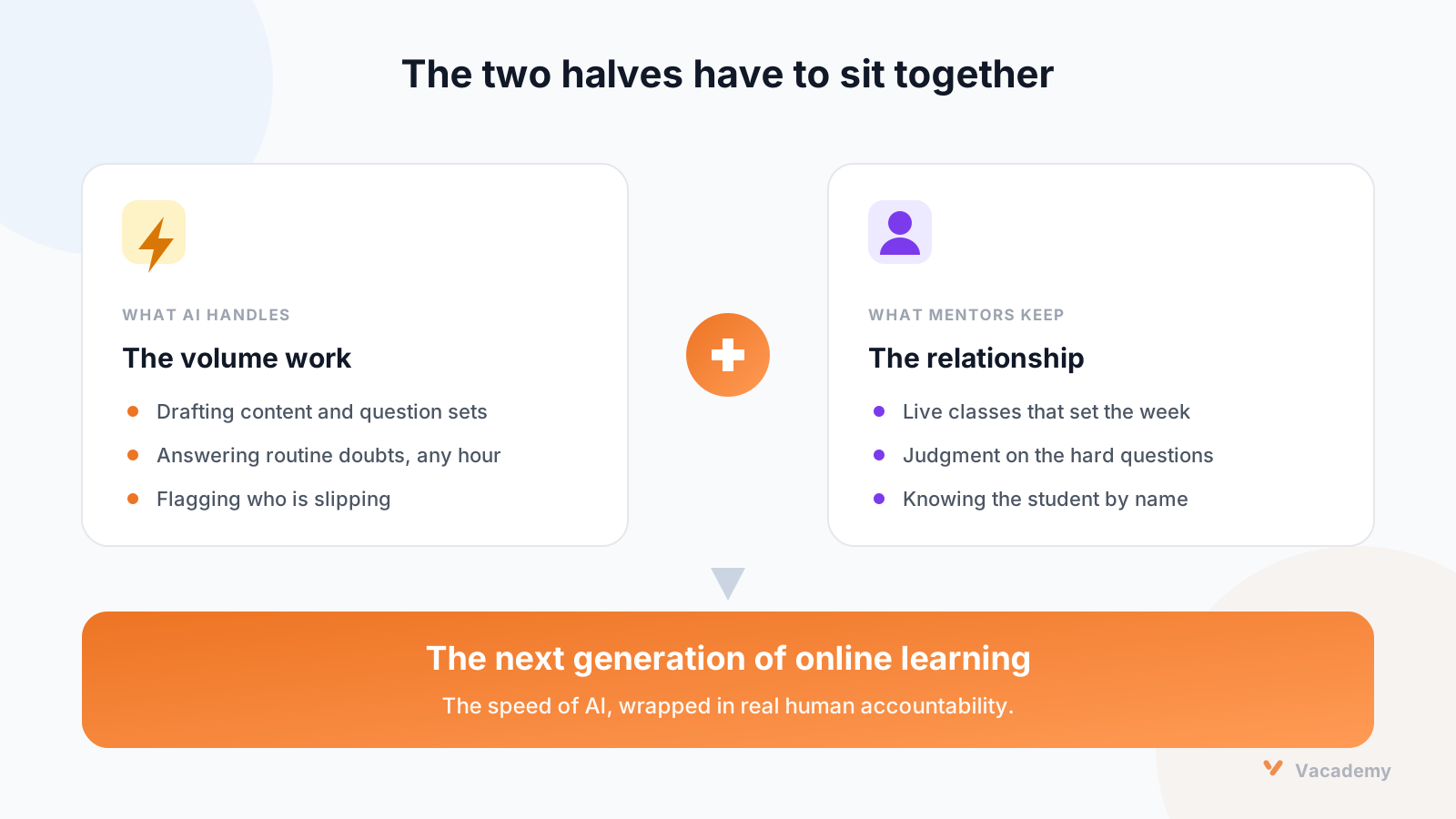
Vacademy was built on one belief: AI and mentors work together, they do not compete. On the AI side, AI-assisted course and test creation turns weeks of work into hours, and an AI doubt-support tool handles the common questions at any hour. So your mentors spend their time on the questions that actually need a human.
On the human side, real teachers stay in charge. Live instructor-led classes give the week a shape and a deadline. Clear learning paths and proper doubt resolution let you adjust the order and difficulty for each student without losing the personal connection that keeps them around. And progress and engagement reports show you who is slipping in week two, when it is still easy to help.
The important part is that all of this sits in one place. Courses, mentorship, community and reports in a single platform for institutes — mobile-friendly and made for video, because that is how students actually learn today. Not five different tools that each know a little about the student and nothing about each other. Your institute keeps its own branding, and your results are shown openly, which builds trust with students and with AI-driven search. It works for a one-teacher academy and for a multi-branch institute, without enterprise pricing or complexity.
What This Looks Like in Real Life
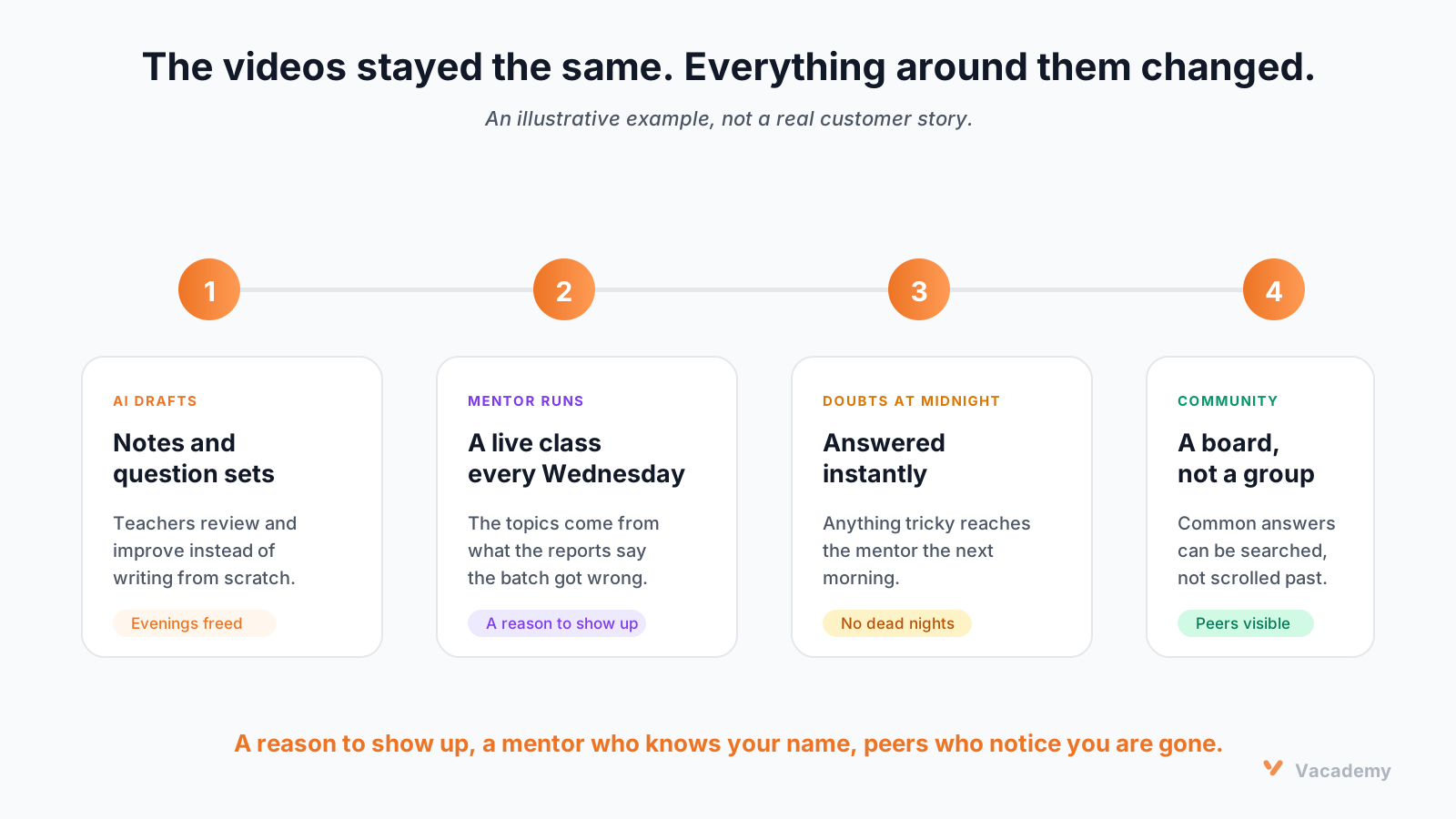
This is an example to explain the idea, not a real customer story. It is put together from patterns we see across institutes.
Imagine a mid-sized exam-prep institute. Earlier, it sold a recorded course and made a WhatsApp group. Students bought it, watched two modules, and slowly stopped. The team's first thought was to shoot better videos.
Instead, they changed how the program worked. AI now writes the first draft of the module notes and the weekly question sets, so teachers only review and improve them. That gives every teacher back the evenings they used to spend preparing. Those evenings become a live mentor class every Wednesday, and the topics for that class come from what the reports say the batch got wrong. Doubts asked at midnight get an instant AI answer, and anything tricky reaches the mentor the next morning. A discussion board replaces the WhatsApp group, so common answers can be searched instead of scrolled past.
The videos did not get much better. Everything around them did. Students now have a reason to show up on a fixed day, a mentor who knows their name, and classmates who notice when they are missing. That is the whole trick. No amount of production budget can replace it.
AI Raised the Bar. Clearing It Is a Choice.
The platforms losing today are not the ones that failed to fight AI. They are the ones that were selling information and did not notice that information had become free. The ones doing well took AI's speed and used it on the parts of teaching that were always ignored — feedback, spotting problems early, and the boring work that ate up a mentor's week.
That mix is the next generation of education: the speed of AI, wrapped in real human support. It is a higher bar than online learning had to clear a few years ago, and for students that is very good news. See how Vacademy blends AI tools with real mentorship — or bring one batch to a demo and check it against your own numbers.
See AI and Mentorship Working Together
Thirty minutes, one of your batches, and a clear answer on where students are dropping off.
Frequently Asked Questions
Did ChatGPT kill online learning?
No. It killed one type of course — the static one that only delivered information. Students still want structured, mentored programs that get them a result. Someone who can already get a free explanation is paying for the other things: a plan, a deadline, a mentor, and proof that they finished.
What do students expect from online courses now that AI exists?
Three things they did not ask for earlier: instant answers when they are stuck, content that moves at their speed instead of the batch average, and lessons that respond to them. A course made only of PDFs and one-way videos now feels slower than the free tool in the next browser tab.
What can AI not replace in education?
Accountability, mentorship and community. AI will not notice that you stopped showing up. It does not know your exam or your weak chapter. And it does not care whether you finish. Structure, a mentor who knows you, and classmates around you are what turn good intentions into a completed course.
How do online learning platforms compete with AI chatbots?
By not competing on explanations. Platforms win on everything around the explanation — a proper course order, real mentors, live classes, progress tracking and a community — with AI built in to make all of it faster.
How does Vacademy use AI in online courses?
AI does the heavy lifting: drafting course content and tests, answering common doubts around the clock, and showing you which students are slipping. Teachers still make the teaching decisions, run the live classes and handle mentorship. Institutes run everything — courses, community and reports — on one platform instead of five tools.