Learners today have been trained by Netflix, YouTube, Spotify and Instagram that the interface reads their mind. Then they log into a course portal and get the same 40 videos as everyone else, starting at Unit 1. The expectation gap is real, and copying the Netflix carousel UI without copying the mastery logic underneath makes things worse, not better.
A real personalized learning experience is not a recommendation bar bolted onto a course. It is an adaptive learning platform that takes four inputs — goal, diagnostic, behaviour and outcome — and acts on all four. This piece walks through what Netflix actually does, where the analogy breaks for learning, and five personalisation moves that a small team can ship this quarter.
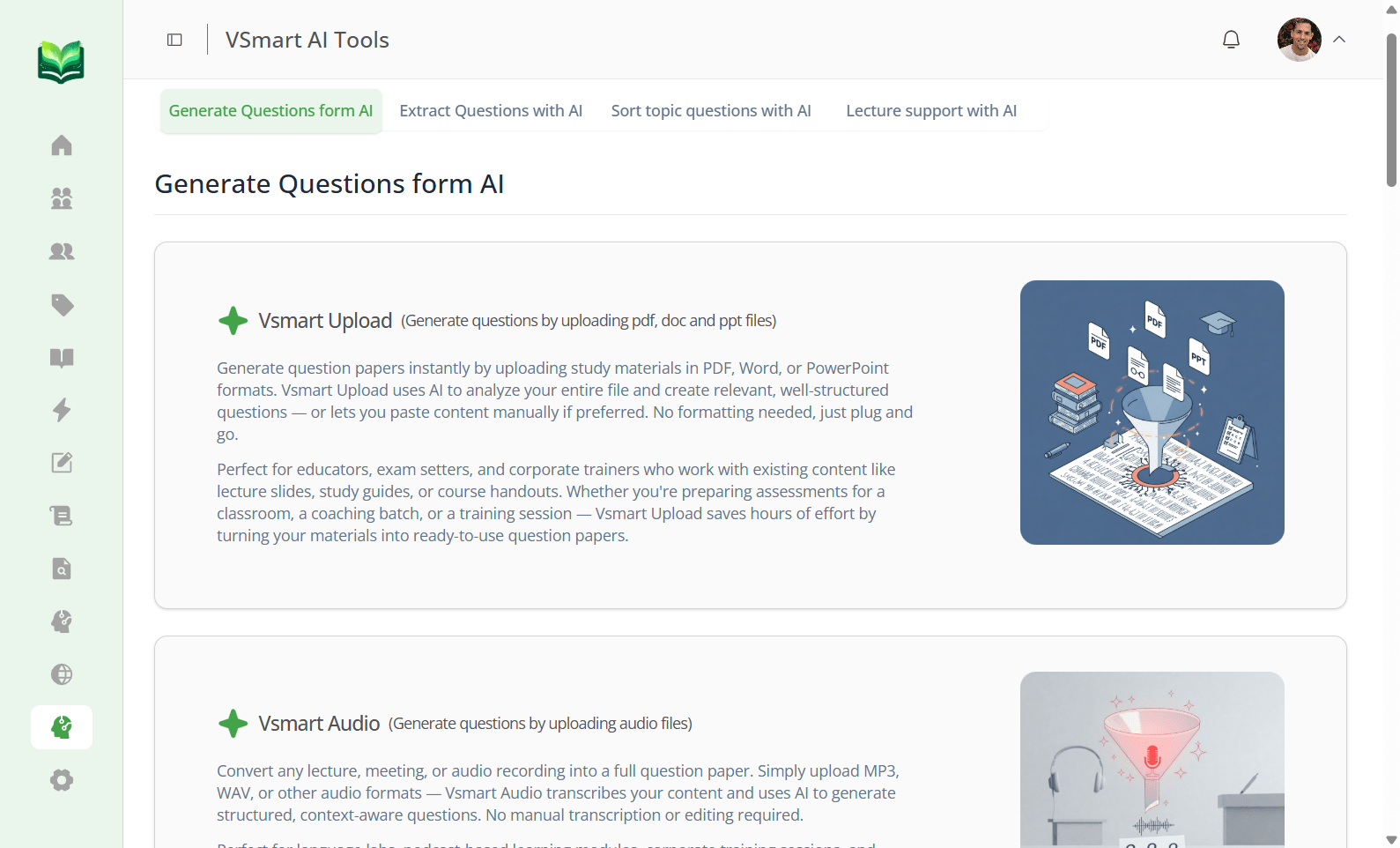
What Netflix Actually Does (And Why Everyone Copies the Wrong Part)
Three real mechanics under the surface: continue-watching state, behavioural signal capture, and ruthless surfacing of the single next action. The part everyone copies is the carousel UI. The part that matters is the decision about what comes next.
More choice hurts learners. This is the credibility beat. A learner given twelve equal options often takes none. A learner given one clear next unit takes it.
Where the Netflix Analogy Breaks for Learning
Consumption is not the same as progression. This table matters.
| Netflix | Learning | |
|---|---|---|
| Optimises for | Time spent | Time saved |
| Goal state | None — infinite catalogue | Exam, certification, skill |
| Sequencing | Whatever the model predicts you'll watch | Prerequisites and mastery gates |
| Success signal | Session length, retention | Assessment performance, application |
| What backfires | Too little watch time | Too much watch time on the wrong topic |
The Four Inputs of Real Personalisation
A recommendation system without all four inputs is guessing. Most institutes already collect three and use zero.
Declared goal
Exam, timeline, target score, prior attempts. The learner tells you where they are trying to reach.
Diagnostic baseline
A short assessment that sets the starting node. Ten minutes now saves ten hours of misplaced content later.
Behavioural signal
What they watch, skip, rewatch, abandon and when they study. Passive data most institutes collect but never use.
Outcome signal
Assessment performance feeding back into the path. The loop closes here — or personalisation drifts.
Five Personalisation Moves You Can Ship This Quarter
Ordered by effort-to-impact so a small team knows where to start.
| Move | What it looks like | Effort | Impact |
|---|---|---|---|
| Continue-where-you-left-off as default | The landing state after login is not the syllabus. It is the exact minute of the exact video the learner stopped on. | Low | High |
| Diagnostic-driven start instead of Unit 1 | New learners take a 10-minute assessment. Starting node is set for them, not by them. | Medium | High |
| Weak-topic revision feeds from assessment data | Every wrong answer becomes a scheduled 5-minute revision slot next week. Automatic. | Medium | High |
| Time-of-day and pace-aware nudges | The 8pm learner does not get 8am reminders. Nudges follow the learner's actual pattern. | Low | Medium |
| Personalised progress reports to learner and parent | Weekly digest tailored to what changed, not what happened. Parents see progress; learners see gaps. | Medium | High |
The Vacademy Approach: Personalisation on Data You Already Have
One loop: assessment data → weak-topic tagging → recommended content → nudge → re-test. Each pass tightens the fit.
This only works when learning, assessment and communication sit on one platform. AI doubt agents plug into the same loop so support becomes another personalisation surface, not a separate ticket queue.
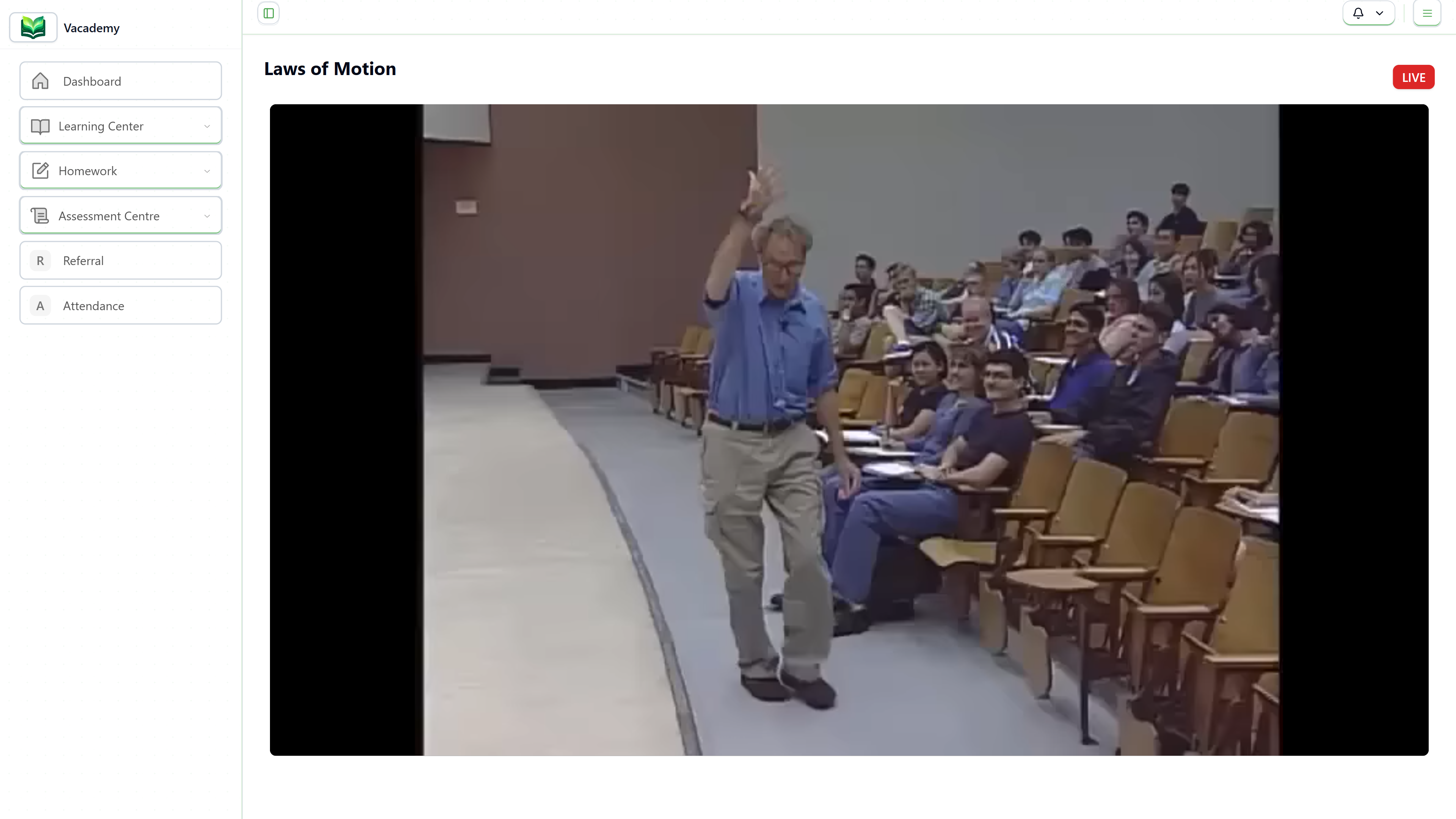
How to Measure Whether Personalisation Is Working
Explicit warning: engagement alone lies. A learner spending three hours a week on the wrong topics is failing, not thriving.
Completion rate
The baseline. Necessary but insufficient.
Time-to-competency
How fast the learner reaches the mastery threshold.
Weak-topic closure rate
% of identified gaps successfully closed within a fortnight.
Week-4 retention
The single strongest predictor of programme completion.
Renewal
The ultimate proof — did the learner come back for the next stage.
Weak-topic detection feeding straight into scheduled revision. Progression, not consumption.
See a Personalised Learner Journey
Book a live walkthrough. See how the four inputs turn into one recommendation and a measurable outcome.
Frequently Asked Questions
What is a personalized learning experience?
A learning journey where content, difficulty and pacing adapt to the learner's declared goal, current baseline, ongoing behaviour and assessment outcomes — not a generic syllabus with a recommendation bar.
How does an adaptive learning platform work?
It captures four inputs — goal, diagnostic, behaviour and outcome — and uses them to select the next unit for each learner. The loop closes when assessment results feed back into the path.
Does personalized learning improve completion rates?
Yes, when it acts on assessment data rather than preferences. Institutes typically see 20–40% higher week-4 retention once diagnostic-driven start and weak-topic revision are in place.
What data do you need to personalise learning?
Declared goal, a diagnostic baseline, behavioural signals (watch, skip, abandon, time-of-day) and assessment outcomes. Most institutes already collect three of the four and use none.
Can small institutes personalise without a data team?
Yes. The five moves in this article are ship-this-quarter tasks — continue-watching, diagnostic start, weak-topic revision, timing-aware nudges and personalised reports. All available on a modern platform without engineering.
What is the difference between personalized and adaptive learning?
Personalised is the outcome — a fit-for-me experience. Adaptive is the mechanism — an algorithm adjusting difficulty and content based on live data. All adaptive is personalised. Not all personalised is adaptive.