The classic online learning model is straightforward. A learner buys a course, consumes some of it, closes the tab and never returns. Most creators know the data, around 70 percent of course buyers never complete, and much of what they do learn fades within a month. It is a lousy experience for the learner and a fragile business for the creator.
The alternative that is quietly winning is the continuous learning ecosystem. A learner joins a programme designed for months of progression, not a single transaction. They come back for monthly content drops, live workshops, community discussion and skill milestones. The business earns recurring revenue instead of one-off spikes. The learner actually changes because reinforcement, community and accountability are baked in.
This piece walks through why one-time learning fails, what a continuous learning ecosystem actually looks like, its economics, the platform stack it requires and how to build one on Vacademy.
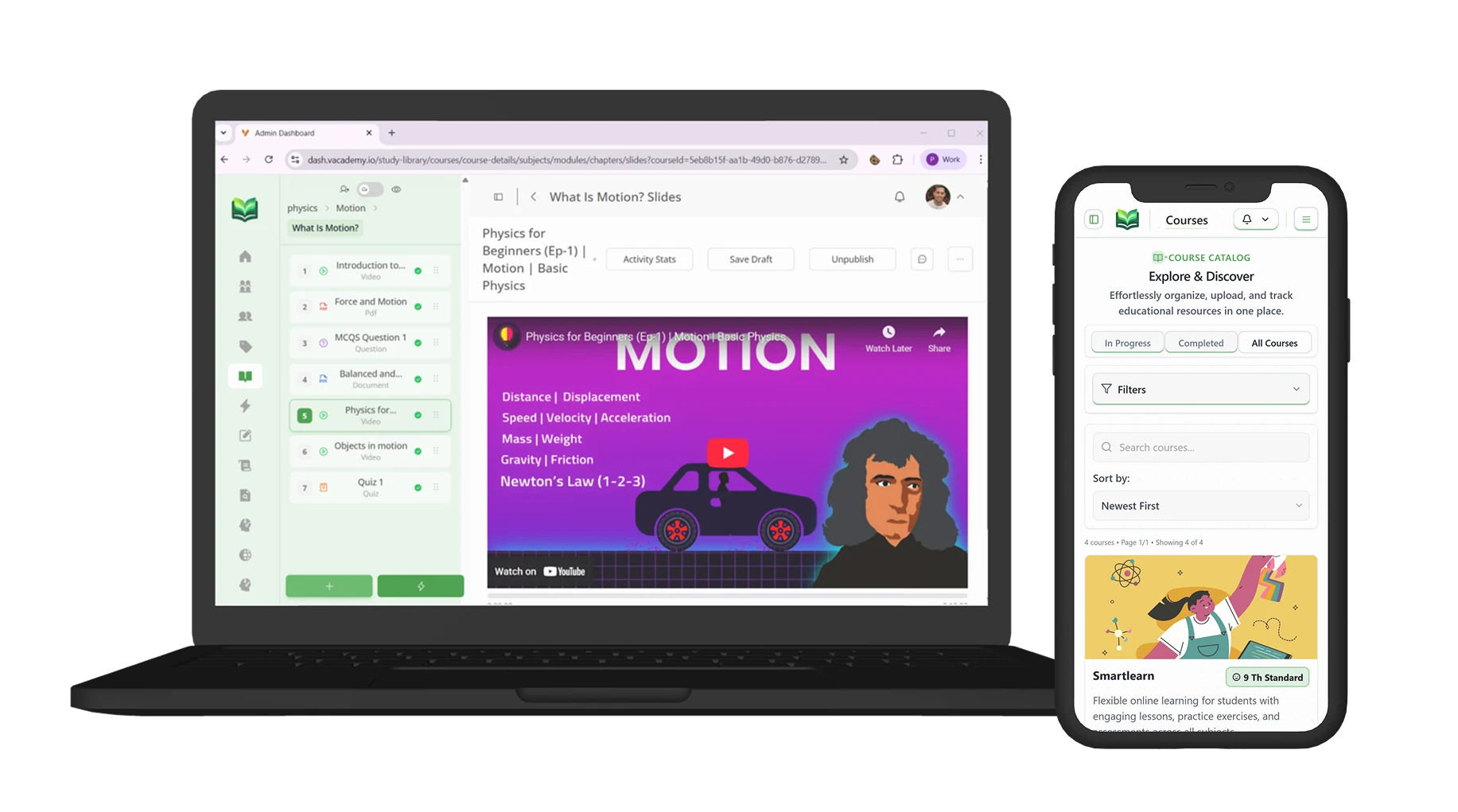
Why One-Time Learning Fails
Learning science has been clear on this for decades. Retention without reinforcement drops sharply within a week and continues to fall through the month. Skills atrophy without ongoing practice. Motivation collapses without community and accountability. A one-time course cannot deliver any of those, no matter how good the content.
The business economics are just as unforgiving. High customer acquisition cost, low lifetime value, no compounding. Growth requires a fresh launch every quarter. Every launch is a mini reset. Learning retention strategies simply do not fit inside a one-time model.
One-Time Learning Versus Continuous Ecosystem Economics
Two operating models, two very different business shapes.
| Metric | One-Time Course | Continuous Ecosystem on Vacademy |
|---|---|---|
| Revenue shape | 500 sales × $197 = $98.5k spike, then plateau | 2,000 subscribers × $79/month = $1.9M ARR compounding |
| Retention target | 70% dropout is normal | 3% monthly churn is the target |
| Lifetime value | $197 per learner | $1,900+ over 12 months |
| Marketing pressure | Every launch, fresh acquisition | One acquisition, months of revenue |
| Business predictability | Feast and famine | MRR baseline before any launch |
Community and Live Workshops Are the Retention Engine
Community-driven learning experiences outperform solo courses on completion by wide margins. Vacademy's live class infrastructure and community layers make the retention engine repeatable, so an ongoing learning platform stays engaging month after month.
The Continuous Learning Platform Stack
Six layers a real continuous learning ecosystem needs. Anything less is still a course store.
Progressive Skill Paths
Sequenced learning tracks that build on prior modules, so learners see visible progression month after month.
Monthly Content Drops
New workshops, materials and challenges land on a predictable cadence, giving learners a reason to return.
Live Workshops and Community
Recurring live sessions plus community discussions create the accountability and interaction that drive completion.
Adaptive Pathways
Content adjusts to each learner's progress, so advanced learners stretch and strugglers get support.
Retention Analytics
Real-time signals surface at-risk learners before they churn, not after.
Subscription and Billing
Recurring billing, tiers, renewals and dunning built in, so a subscription learning business runs itself.
Subscription Billing Turns Learning Into a Business
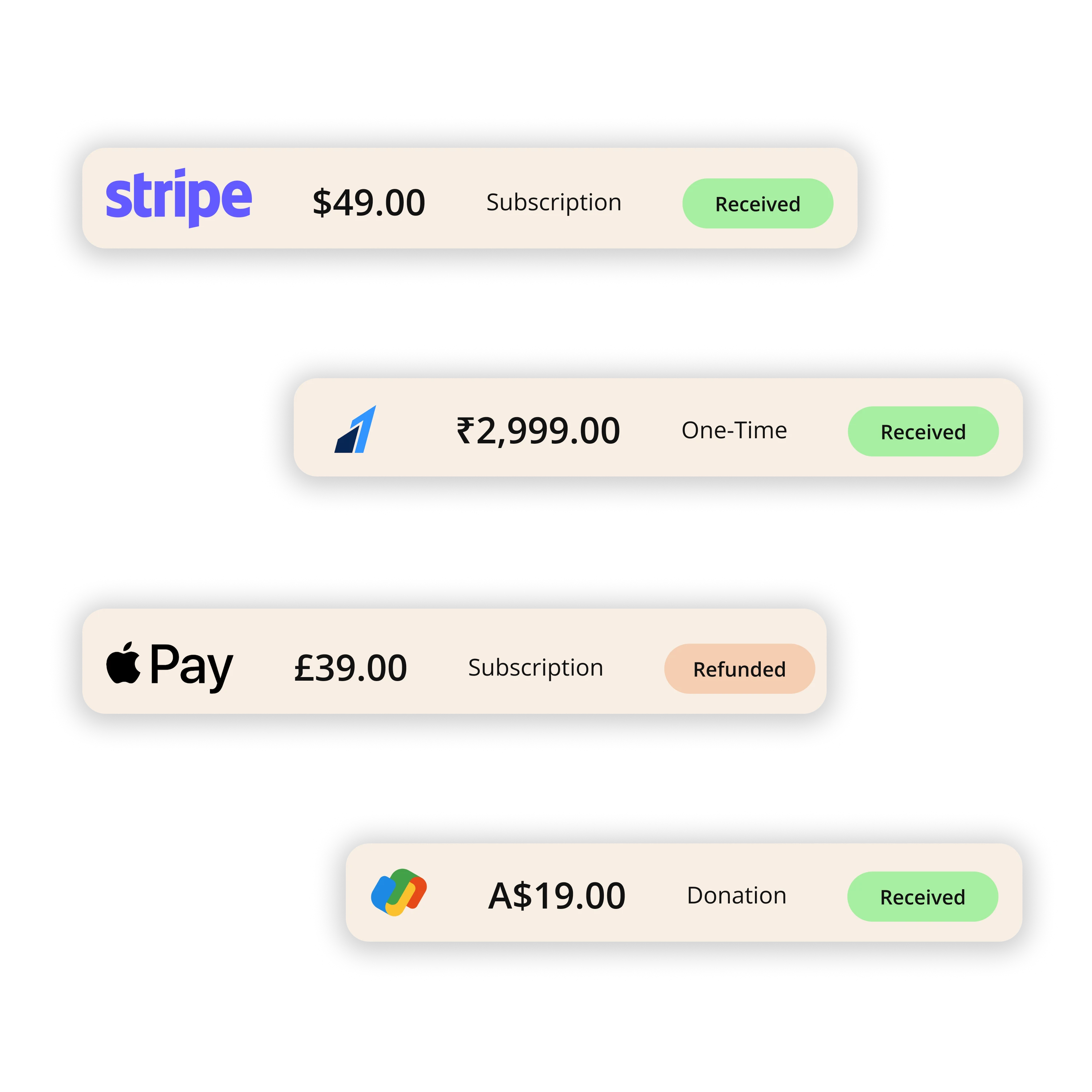
A continuous ecosystem depends on recurring billing that is reliable and native. Vacademy handles memberships, tiers, renewals and dunning inside the same platform, so a subscription learning business is not held together with external tools.
From $299 Courses to a $99 per Month Ecosystem
A business coach selling $299 leadership courses to 500 students a year faced a familiar wall. 60 percent dropout, no repeat business, a nagging refund rate.
They pivoted to a $99 per month membership with a 10-month progressive leadership path, weekly 30-minute live workshops, a private community for accountability and monthly assessments. Within six months, membership crossed 800 with monthly revenue near $79k and retention around 92 percent. The shift was not the audience, it was moving from selling knowledge to building learners.
How to Build a Continuous Learning Ecosystem
A practical sequence you can start in one quarter.
Map a 12-month skill progression
Instead of individual courses, sketch how a learner grows from month 1 to month 12. Continuity has a shape.
Identify retention bottlenecks
Where do learners currently disappear? That is where the ecosystem earns its keep.
Add community and accountability
Discussion, cohort touchpoints, peer projects. Community is the container for retention.
Plan content drops with themes
Monthly workshop themes, quarterly focus areas. Predictable freshness beats sporadic launches.
Measure and optimize for retention
MRR, monthly churn, cohort retention. The metrics of a subscription learning business, not a course store.
Operate on an ongoing learning platform
Skill paths, content sequencing, community, billing and analytics in one place. Vacademy is designed for it.
Move From Course Launches to a Learning Ecosystem
Walk through your current model with the Vacademy team. We will help you sequence a continuous learning ecosystem that compounds retention and revenue.
Frequently Asked Questions
What is the difference between one-time learning and a continuous learning ecosystem?
One-time learning means buying a course, consuming it and leaving. A continuous ecosystem means joining a community focused on long-term skill development, with monthly content, accountability and progression. You stay engaged for months or years.
How do I retain learners in a continuous learning ecosystem?
Build progression, community, regular content and feedback. Learners need to see clear skill advancement, feel accountable to peers, receive weekly cadence and get assessments that show progress. These push retention above 90 percent.
Can I transition existing course students to a continuous model?
Yes. Offer existing students a subscription membership that includes their course plus ongoing skill progression, community and content drops. Position it as continuous learning on top of what they already own.
How much should I charge for a continuous learning ecosystem?
Typical range is $39 to $199 per month depending on cadence, cohort size and transformation depth. Memberships turn one-off spikes into predictable ARR.
Do I need special software to run a continuous learning ecosystem?
Yes. You need a platform that handles skill paths, content sequencing, community, recurring billing and retention analytics. A basic course builder will not cut it. Vacademy is built for this.
What is the difference between a membership and a cohort-based ecosystem?
A membership is self-paced with async content drops and community. A cohort is time-bound, live and interactive. Most scalable ecosystems blend both, async paths plus live workshops plus community.