The Live Lecture Content Gap
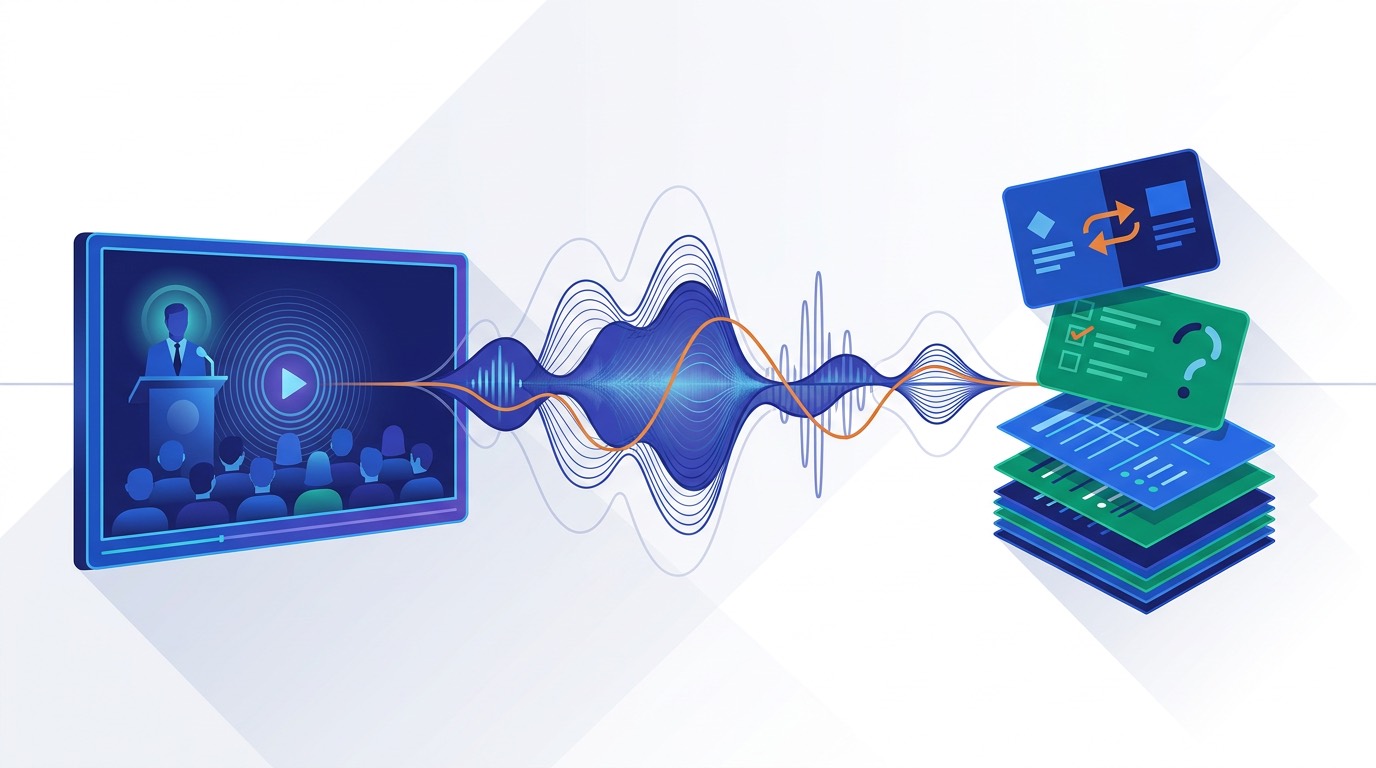
Your senior faculty delivers a brilliant 90-minute live demonstration on advanced suturing techniques. 150 doctors attend on Zoom. The recording is uploaded. But within a week, fewer than 12% of doctors replay the full video. The knowledge dies in the recording—because nobody has time to re-watch 90 minutes to find the 3 critical procedural steps they missed.
1. Why Manual Lecture Notes Fail in Clinical Education
In standard academic settings, institutions might hire teaching assistants to take notes. In medical training, this approach breaks completely:
- Bilingual Complexity: Faculty alternate between English anatomical terminology ("the infraorbital nerve exits through the infraorbital foramen") and Hindi clinical context ("yahan se injection dena dangerous hai kyunki nerve damage ho sakta hai").
- Protocol Specificity: Every institute teaches specific surgical approaches. A generic transcription tool cannot distinguish between your institute's preferred technique and alternative methods discussed as counter-examples.
- Volume: A CME institute running 8 weekly live sessions creates 720+ hours of clinical content per year. No note-taking team can keep up.
2. The Medical Knowledge Base: Zero Hallucination Architecture
The difference between Vacademy's AI and a generic ChatGPT wrapper is architectural. Vacademy does not use open-internet LLM knowledge for medical answers. Instead, it operates as a Retrieval-Augmented Generation (RAG) system locked to your institution's uploaded materials:
Generic LLM (Dangerous)
- ✗Answers from the entire internet—including contradictory protocols
- ✗No source citations—student cannot verify accuracy
- ✗Confidently invents drug dosages or surgical steps
- ✗Cannot be restricted to your teaching methodology
Vacademy Indexed RAG (Safe)
- ✓Answers only from your uploaded textbooks, slides, and lecture recordings
- ✓Clickable citations: "Source: Dr. Patel's Lecture, Timestamp 42:15"
- ✓States "I don't have this information" when topic is not in the knowledge base
- ✓Faculty can review and correct AI-generated content before release
3. Building Your Institutional Knowledge Base
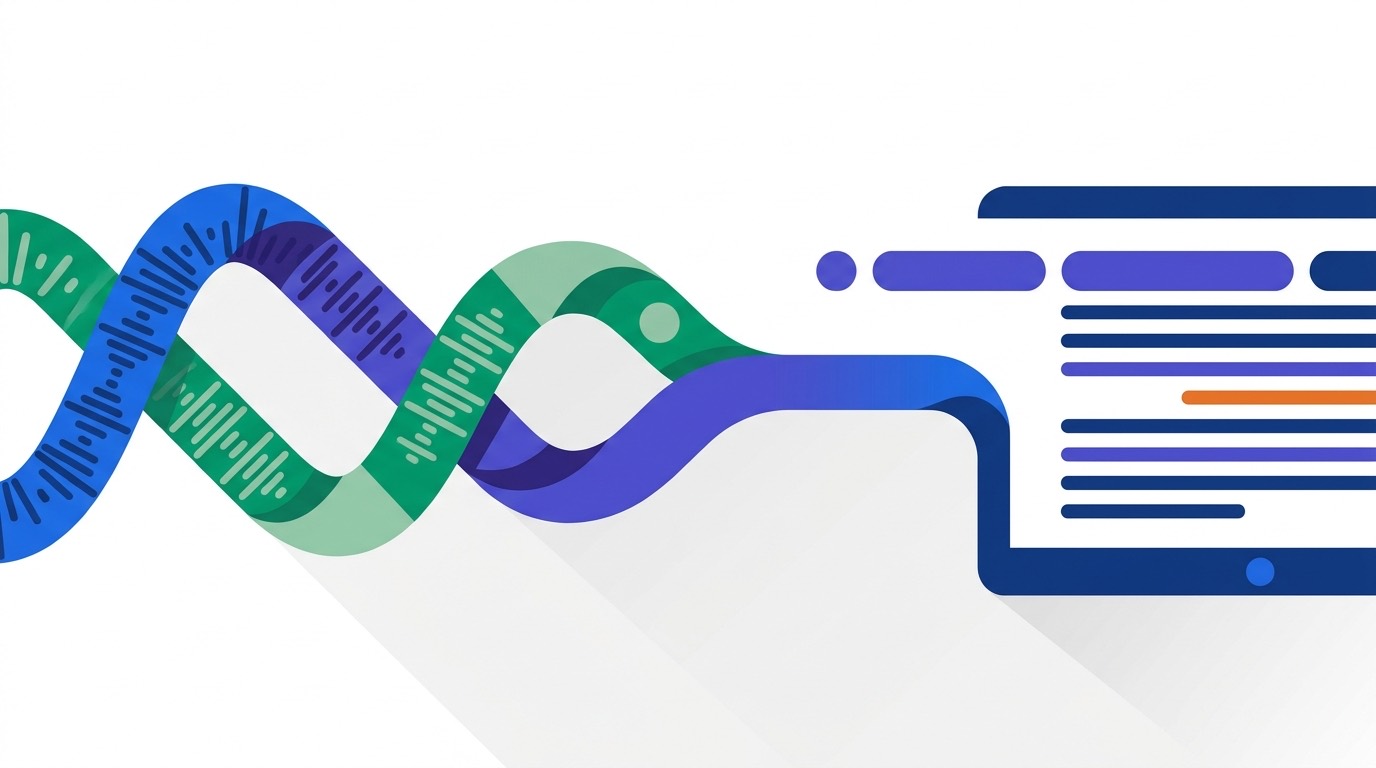
The knowledge base accepts diverse medical content formats:
Once uploaded, the AI can generate:
- Structured Study Notes: Chapter summaries, procedure checklists, and dosage tables extracted from lecture audio.
- Practice MCQs: Auto-generated multiple-choice questions tied to specific lecture topics with source citations.
- Clinical Flashcards: Quick-revision cards for anatomical landmarks, drug interactions, and diagnostic criteria.
- Assessment Papers: Full-length mock exams assembled from your question bank with configurable difficulty levels.
- Interactive Doubt Resolution: Students ask questions in the AI chatbot and receive cited, faculty-approved answers instantly.
4. The Faculty Validation Gate: AI Proposes, Faculty Disposes
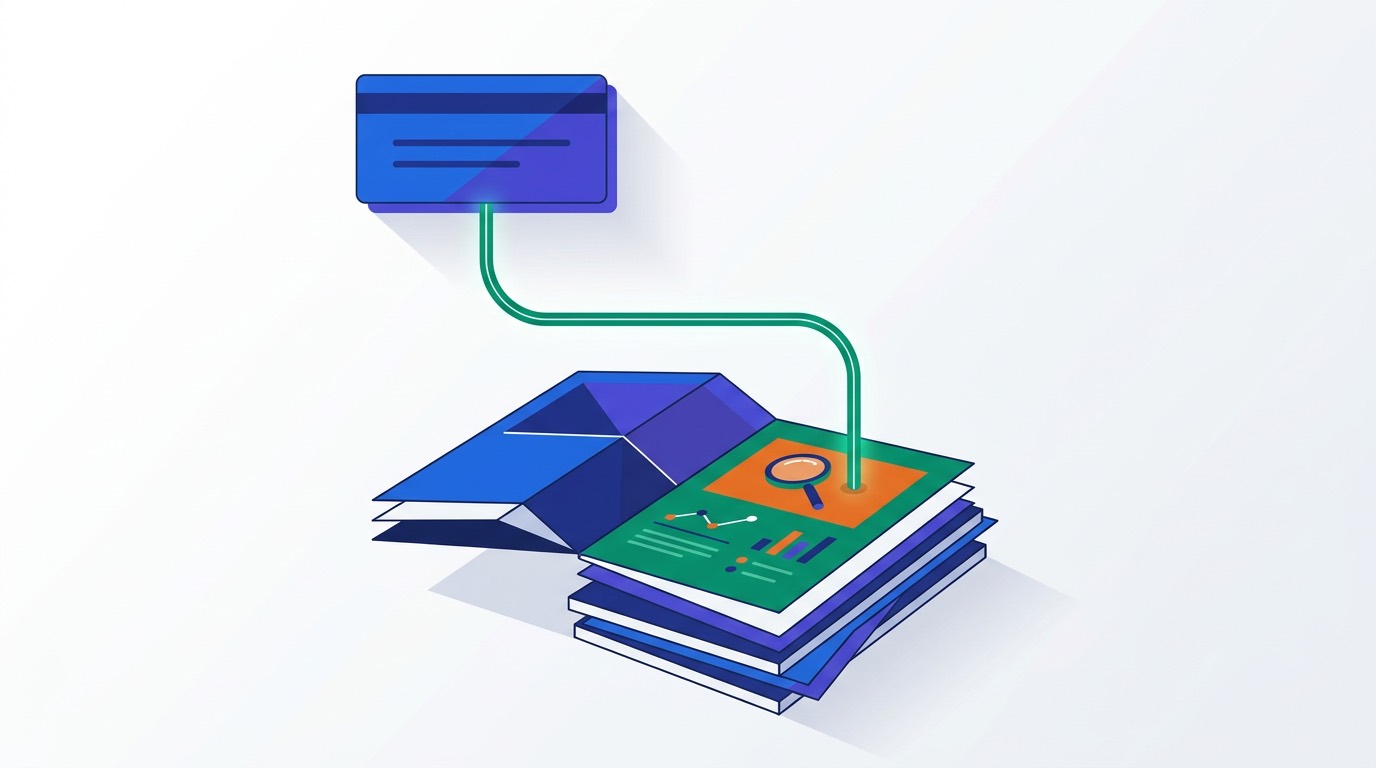
A critical design principle in Vacademy's medical AI is that AI-generated content is never auto-published to students without faculty oversight. Here is the validation workflow:
Frequently Asked Questions
How accurately does the AI transcribe mixed Hindi-English medical lectures?
The bilingual STT engine is trained on Indian medical terminology and achieves 92-95% accuracy on mixed Hindi-English clinical speech. Latin anatomical terms, drug names, and surgical instruments are recognized as specialized vocabulary. Faculty can spot-check and correct the transcript before notes are generated.
Can the AI distinguish between our institute's preferred technique and alternatives mentioned as examples?
Yes. By indexing your specific textbooks and protocol manuals as the primary knowledge source, the RAG system weights your preferred methodology higher. When faculty mention alternative approaches as contrast examples, the notes clearly label them as 'alternative approach discussed' rather than primary technique.
What happens when a student asks the AI chatbot a question not covered in our materials?
The system responds with: 'This topic is not currently covered in the institutional knowledge base. Would you like to submit this as a doubt to your faculty member?' The question is then routed to the instructor's doubt resolution queue.
Can we use the AI to evaluate handwritten clinical case papers?
Yes. Students upload photos or scans of handwritten case sheets. The AI extracts text via OCR, evaluates it against rubric criteria, and generates a suggested score with detailed feedback. This evaluation enters the faculty review queue for confirmation before marks are released.
How long does it take to generate notes from a 90-minute live lecture?
Transcription begins in real-time during the live session. Structured notes, key takeaways, and practice MCQs are typically ready within 15-30 minutes after the session ends, available for faculty review in the content queue.
Turn Every Live Lecture Into a Learning Asset
Automated transcription, structured clinical notes, practice assessments—all locked to your institutional medical protocols with faculty validation.